



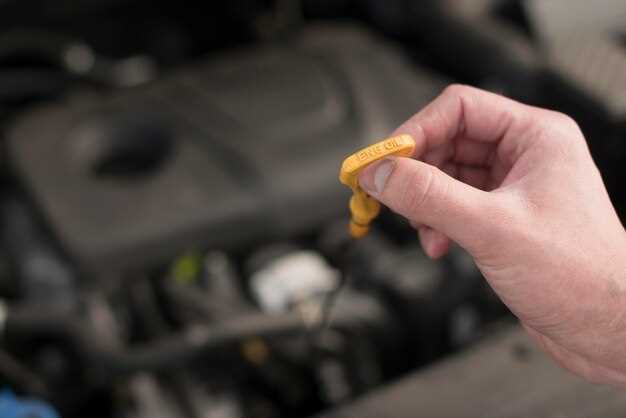
The steering rack is a crucial component of your vehicle’s steering system, responsible for converting the rotational motion of the steering wheel into the lateral motion required to turn the wheels. Over time, wear and tear can lead to a decline in performance and safety. Recognizing when your steering rack needs replacement is essential for maintaining optimal vehicle handling and safety on the road.
Several symptoms can indicate a failing steering rack. Whether you’re experiencing odd noises, steering play, or fluid leaks, understanding these signs can help you make an informed decision about necessary repairs. Ignoring these warning signs may lead to more severe complications, impacting both your safety and the integrity of your vehicle.
In this article, we will explore the key signs that suggest it’s time to replace your steering rack. By being aware of these indicators, you can address issues early on and ensure a smooth and safe driving experience.
Unusual Noises When Turning the Steering Wheel
Hearing unusual noises when turning the steering wheel can be a clear indicator that your steering rack may need to be replaced. Common sounds include clunking, grinding, or squeaking. These noises often arise due to worn-out components within the steering system or insufficient lubrication.
A clunking noise typically indicates that there may be loose or damaged parts, such as the tie rods or bushings, that connect the steering rack to the rest of the vehicle. This issue can compromise handling and safety, making it imperative to address it promptly.
Grinding noises may suggest that the steering rack gears are deteriorating. This can result in a rough steering experience, and ignoring this sound could lead to complete steering failure. Regular inspections are essential to catch such problems early.
Squeaking sounds often occur when the steering system lacks lubrication. This may indicate that the fluid levels are low or that there’s a leak somewhere in the system. Adequate lubrication is critical for smooth operation, and addressing fluid issues should be a priority.
If you notice any of these unusual noises, it’s advisable to have your vehicle inspected by a qualified mechanic. Early intervention can prevent further damage and ensure your safety on the road.
Difficulty in Steering or a Loose Steering Wheel

Experiencing difficulty in steering or a loose steering wheel is a clear indicator that you may need to replace your steering rack. These symptoms can severely compromise your vehicle’s handling and safety. When steering feels stiff or unresponsive, it can be frustrating and dangerous, particularly in emergency situations.
A loose steering wheel can manifest as excessive play in the wheel, making it hard to maintain control over your vehicle. If you notice that small movements of the wheel don’t result in corresponding changes in direction, this can be due to a worn or damaged steering rack. This condition affects the precision of your steering, increasing the risk of accidents.
Difficulty in steering can occur due to several factors, such as low power steering fluid, a faulty power steering pump, or issues with the steering rack itself. However, if these basic elements are functioning properly yet the problem persists, it’s likely that the steering rack has become worn out. Signs of wear can include grinding noises, vibrations, or a noticeable lack of responsiveness when turning. Ignoring these symptoms can lead to more serious damage and expensive repairs down the line.
In conclusion, if you encounter any of these steering issues, it is advisable to have your vehicle inspected. Timely intervention can help ensure your safety while driving and prevent further deterioration of your steering system.
Visible Damage or Fluid Leaks Under the Vehicle
One of the most apparent signs that your steering rack may need replacement is visible damage or fluid leaks underneath your vehicle. If you notice any reddish or brownish fluid pooling on the ground where you park, it could be a sign of steering fluid leakage. This fluid is essential for the proper functioning of your power steering system, and any leaks can lead to a loss of steering responsiveness.
Examine the area around the steering rack and the braces connected to it for signs of wear or physical damage. Cracks, dents, or bent components can severely compromise the effectiveness of your steering system. Damaged seals or bushings can also result in fluid leaks, which may exacerbate the problem over time.
It is crucial to address these issues promptly. Ignoring visible damage or fluid leaks can lead to more severe mechanical failures, resulting in costly repairs and potential safety risks while driving. If you detect any of these symptoms, you should consult a professional mechanic to evaluate the condition of your steering rack and determine if a replacement is necessary.