



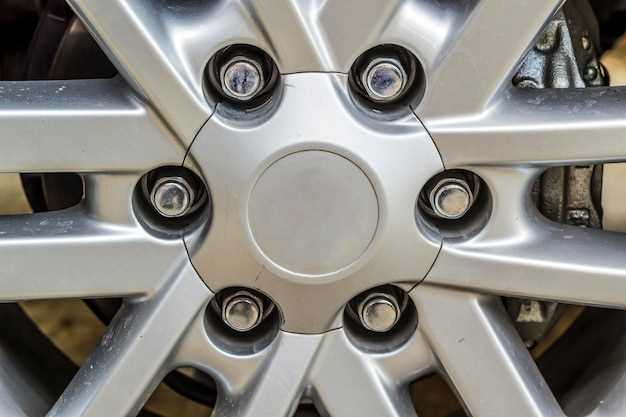
When it comes to automotive performance, every component plays a crucial role, and lug nuts are no exception. Choosing the right lug nuts can significantly impact your vehicle’s handling, safety, and overall performance. These small yet essential components secure your wheels to the hub, ensuring that they function optimally in various conditions. Therefore, understanding the features and benefits of different lug nuts is key for any car enthusiast or professional mechanic.
High-performance wheels require robust lug nuts that can withstand extreme conditions, including high speeds and heavy loads. The right materials, designs, and sizes contribute not only to longevity but also to the aesthetic appeal of your wheels. Alloy steel, for example, is a popular choice due to its strength and durability, while aluminum options offer a lightweight alternative that can further increase performance.
Additionally, the design of lug nuts shouldn’t be overlooked. Options such as conical or spherical seats offer better fitment, reducing the risk of wheel wobble and enhancing overall driving stability. Furthermore, proper torque specifications are crucial to maintaining an optimal connection between the wheels and the vehicle, as they help prevent issues such as brake fade or uneven tire wear.
In this article, we will explore some of the best lug nuts available on the market, considering various factors such as material, design, and performance enhancement capabilities. Equip your performance wheels with the right lug nuts, and experience the difference in your vehicle’s handling and safety.
Choosing the Right Material for Lug Nuts in Performance Applications

When it comes to performance wheels, selecting the appropriate lug nut material is crucial for optimizing both weight and strength. Common materials include steel, aluminum, and titanium, each offering unique benefits and drawbacks relevant to performance applications.
Steel is the most traditional choice for lug nuts, offering excellent strength and durability. High-carbon steel lug nuts are especially favored in motorsports due to their resistance to stripping and deformation under high torque. However, the added weight can be a disadvantage in performance vehicles where every ounce counts.
Aluminum lug nuts, on the other hand, are much lighter, which contributes to improved acceleration and handling. They are often anodized to prevent corrosion and provide a visually appealing finish. However, aluminum doesn’t match the sheer strength of steel, making it essential to choose high-quality aluminum lug nuts designed for high-performance applications. Proper torque settings are also vital to prevent galling and ensure a secure fit.
Titanium lug nuts are known for their exceptional strength-to-weight ratio, making them an ideal choice for serious performance enthusiasts. While significantly more expensive, titanium’s lightweight properties and resistance to corrosion provide long-term benefits in performance and longevity. However, care must be taken during installation and removal to avoid striping threads.
In summary, the choice of material for lug nuts should align with the specific demands of your performance application. Factors such as vehicle weight, intended use, and budget all play a critical role in determining the best option for enhancing performance wheels. Ensure to balance performance needs with safety and reliability to achieve the best results.
Understanding the Impact of Lug Nut Design on Wheel Stability
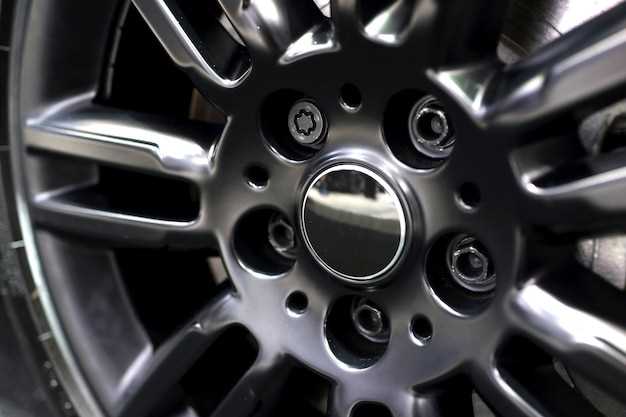
The design of lug nuts plays a critical role in ensuring wheel stability and overall vehicle performance. Lug nuts are the fasteners that secure the wheels to the hubs, and their design can significantly influence how well the wheels maintain contact with the road.
Material Composition: The material of the lug nuts affects their strength and durability. Aluminum and steel are common choices; aluminum is lighter but may not be as strong as steel. High-strength steel lug nuts can withstand greater torque without deforming, ensuring that the wheels remain securely fastened under various driving conditions.
Shape and Profile: The shape of the lug nut, whether tapered or flat, influences how evenly the load is distributed across the wheel hub. Tapered lug nuts allow for a more secure fit as they center themselves when torqued, minimizing the risk of slippage. Conversely, flat nuts can be more susceptible to loosening over time, especially if not properly torqued during installation.
Thread Pitch and Size: Proper thread pitch and size ensure compatibility with the wheel hub. Incorrectly sized lug nuts can lead to cross-threading, which compromises the connection between the wheel and hub, potentially resulting in catastrophic failure. Use of lug nuts that match the specific thread specifications of the vehicle is essential for maintaining wheel stability.
Locking Mechanisms: Some lug nuts come with built-in locking features, providing added security against theft and loosening due to vibrations. These mechanisms can enhance the consistency of the lug nut’s grip over time, which is essential for stability during high-performance driving.
In summary, careful consideration of lug nut design–ranging from material selection to shape and locking features–directly affects wheel stability and safety. Choosing the right lug nuts is essential for optimizing vehicle performance and ensuring a secure connection between wheels and hubs.
How to Ensure Proper Torque Specifications for Enhanced Performance
Proper torque specifications are crucial for optimal performance and safety of your vehicle’s wheels. Incorrectly torqued lug nuts can result in vibration, uneven tire wear, and even wheel detachment. Follow these steps to ensure you achieve the right torque for your performance wheels:
- Consult Manufacturer Guidelines
- Always refer to the owner’s manual or manufacturer specifications for the recommended torque values for your specific vehicle.
- Different vehicles and wheel types may require different torque settings.
- Select the Right Tools
- Use a quality torque wrench to achieve precise torque readings.
- A click-type torque wrench is recommended for its reliability and ease of use.
- Ensure the wrench is calibrated correctly for accurate measurements.
- Follow a Proper Torque Sequence
- Use a star pattern or crisscross pattern when tightening lug nuts to distribute pressure evenly across the wheel.
- This minimizes the risk of warping the brake rotor or wheel hub.
- Adjust for Conditions
- Consider environmental factors such as temperature and material type, which can affect torque settings.
- If using aftermarket wheels or lug nuts, double-check their specifications for any differences.
- Re-torque After Initial Installation
- After driving for 50 to 100 miles, re-check the torque on your lug nuts.
- This ensures that they remain secure, as they may settle after initial use.
Implementing these practices will help you maintain the integrity of your wheels, optimize performance, and enhance safety on the road.