



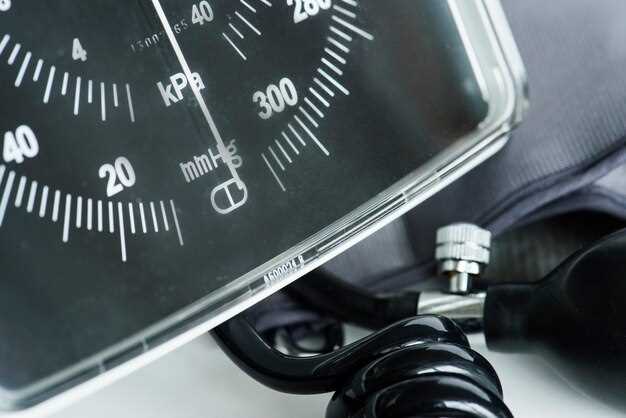
Maintaining the correct tire pressure is crucial for both safety and performance, whether you’re cruising through city streets or pushing your limits on a racetrack. Proper tire pressure affects vehicle handling, fuel efficiency, and tire longevity, making it an essential consideration for any driver. This article will dissect the importance of optimal tire pressure, offering insights tailored for daily driving scenarios and high-performance track days.
For everyday driving, the manufacturer’s recommended tire pressure is often found in the owner’s manual or on a label inside the driver’s side door. Keeping tires inflated to this specification ensures stable handling and tire wear. In contrast, track days require a more nuanced approach, as the pressures will differ based on conditions such as temperature, track surface, and tire compound. Adjusting tire pressure can significantly enhance grip and overall performance, making it a vital factor for competitive driving.
Understanding the dynamic between tire pressure and vehicle performance is key for all drivers. This article will delve into the optimal tire pressures for various driving conditions, along with practical tips for adjusting and monitoring your tire pressures effectively. By the end, you’ll be equipped with the knowledge to maximize safety and performance, whether navigating city traffic or tearing up the racetrack.
Understanding the Impact of Tire Pressure on Vehicle Handling
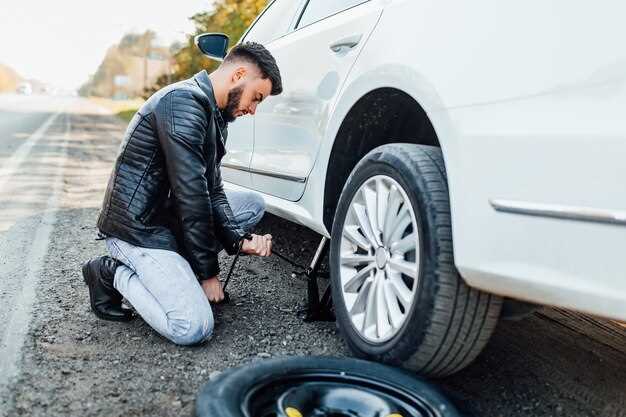
Tire pressure significantly influences the handling characteristics of a vehicle. Properly inflated tires maintain optimal contact with the road, providing better grip, stability, and responsiveness. When tire pressure is too low, the tires can flex excessively, leading to increased rolling resistance and overheating. This can cause sluggish handling, reduced steering response, and a greater risk of tire failure.
Conversely, over-inflated tires can lead to a harsh ride and decreased traction, especially during cornering. The center of the tire wears out faster in this scenario, reducing the effective contact patch with the road. This lack of contact can cause a loss of steering precision and can make the vehicle feel skittish at higher speeds.
In terms of cornering dynamics, the correct tire pressure ensures that the tires maintain their intended shape during turns. Under-inflation can lead to excessive sidewall roll, causing the vehicle to handle poorly under lateral loads. Meanwhile, over-inflated tires may not conform to the road surface, leading to a loss of grip at critical points during a turn.
On the track, where handling is paramount, fine-tuning tire pressure becomes even more crucial. Drivers often adjust tire pressure based on track conditions, weather, and specific vehicle dynamics to achieve optimal performance. Adequate tire pressure can enhance responsiveness, allowing for quicker turn-in and improved control during high-speed maneuvers.
Regularly monitoring and adjusting tire pressure based on driving conditions can lead to enhanced vehicle performance, improved safety, and better tire longevity. Understanding the relationship between tire pressure and vehicle handling is essential for any driver looking to maximize their driving experience, whether on daily commutes or on the race track.
How to Properly Measure and Adjust Tire Pressure
To ensure optimal performance and safety, accurately measuring and adjusting tire pressure is crucial for both daily driving and track days. Begin by using a reliable tire pressure gauge, which can be either digital or analog. Place the gauge on the valve stem of the tire, pressing firmly to get an accurate reading. It’s advisable to measure tire pressure when the tires are cold, as heat from driving can cause the pressure to increase, leading to incorrect readings.
Refer to the vehicle’s owner manual or the placard located on the driver’s side door jamb for recommended tire pressure specifications. These values are typically provided in pounds per square inch (PSI). For track days, adjustments might be needed based on the specific conditions, such as temperature and track type. Generally, a lower pressure can increase traction, while a higher pressure can improve response and reduce tire wear.
Once you have the initial reading, compare it to the recommended value. If the pressure is too low, use an air compressor to add air until the correct level is reached. If the pressure is too high, release some air by pressing the valve stem to lower it to the desired PSI. Always measure after making adjustments to confirm accuracy.
It’s essential to check all four tires since they may have different pressures due to load distribution and tire condition. Also, remember that tire pressure should be checked regularly, ideally once a month and before long trips or track days to maintain optimal performance and safety.
Comparing Ideal Tire Pressure for Everyday Use vs. Track Performance
When it comes to maintaining optimal tire pressure, the requirements for everyday driving differ significantly from those needed for track performance. In everyday situations, tire pressure is typically set according to the manufacturer’s specifications found in the vehicle’s manual or on the door jamb. This recommended pressure usually falls between 30 to 35 psi, balancing comfort, fuel efficiency, and tire longevity for daily commutes.
For daily driving, proper tire pressure enhances ride quality and ensures even tire wear. Under-inflated tires can lead to decreased fuel efficiency and increased tire wear, while over-inflation can compromise traction and comfort. Thus, maintaining recommended pressures is crucial for safety and cost-effectiveness in routine driving scenarios.
In stark contrast, track performance requires a more nuanced approach to tire pressure. On a racetrack, the dynamics of speed, cornering, and temperature changes necessitate adjustments to tire pressure for optimal grip and handling. Typically, track pressures may be lower than those used for everyday driving, often ranging from 24 to 32 psi, depending on the tire type and conditions. This reduction allows the tire’s contact patch to expand, improving grip and providing better feedback during high-speed maneuvers.
Additionally, tire pressure on the track can be fine-tuned throughout the event, as tire temperatures increase during laps. Higher temperatures can lead to increased tire pressure, so many drivers monitor tread temperature and adjust pressures accordingly to maintain consistent performance. The aim is to achieve a balance where the tires neither overheat nor lose grip, which is critical for competitive driving.
In summary, while everyday driving prioritizes comfort and consistency, track performance focuses on maximizing traction and handling. Understanding the distinct requirements of tire pressure for both contexts is essential for enhancing safety and performance, whether on the road or the racetrack.